Technical Instrumentation Engineer
Explore career options on our platform! find your
perfect match for your future job.
Overview
A Technical Instrumentation Engineer specialises in designing, developing, installing, and maintaining instruments and control systems used to monitor and manage engineering processes. These systems are essential in industries such as manufacturing, oil and gas, power generation, pharmaceuticals, and automation, where precision and efficiency are critical. To become a technical instrumentation engineer, one typically pursues a bachelor’s degree in instrumentation engineering, electronics, electrical, or related fields. The coursework covers sensors, control systems, circuit design, and process automation. Practical knowledge through internships or projects further prepares students for industry roles. Career opportunities in this field are vast, with growing demand in both public and private sectors. Engineers can work in system design, maintenance, R&D, or project management. In India, entry-level salaries are decent, with significant growth as one gains experience and moves into senior or specialised roles.
Key Roles and Responsibilities of a Technical Instrumentation Engineer
Every profession comes with its own unique set of responsibilities that define the role and its value within an organisation. As a technical instrumentation engineer, understanding your day-to-day tasks offers clarity on what the job involves and highlights the skills and competencies needed for success. Below are the key roles and responsibilities that contribute to building a strong and rewarding career in this field.
Design
Develop control systems and equipment based on technical specifications.
Installation
Oversee the installation of control and measurement devices.
Operation
Manage and optimize the operation of process control systems.
Maintenance
Conduct regular maintenance and troubleshooting of instrumentation equipment.
Compliance
Ensure all designs and processes comply with safety and environmental regulations.
Collaboration
Work with multidisciplinary teams, including engineers, technicians, and operators.
Documentation
Document all instrumentation activities, including system designs, operations, and maintenance.
Project Management
Oversee instrumentation projects, ensuring they are completed on time and within budget.
Training
Provide training and support to system users.
Innovation
Research and implement new technologies to improve system efficiency and safety.
Quality Assurance
Implement quality control measures to ensure system reliability and accuracy.
Vendor Management
Liaise with vendors and suppliers for instrument procurement and maintenance.
How to Become A Technical Instrumentation Engineer?
Becoming a technical instrumentation engineer involves a mix of the right educational qualifications, mastering instrumentation tools, and gaining practical experience in control systems and measurement technologies.
This is where invest4Edu comes in. With expert career counselling and personalised guidance, we at invest4Edu support your career journey in every step. From guiding you to select the right education path to acquire the required skills, we ensure you are well-prepared to pursue and succeed in your dream career. Here's a detailed roadmap to becoming a successful technical instrumentation engineer:
Path 1
1.

12th
Science (Maths)
2.

ITI/Diploma
Diploma in Electronics and Instrumentation Engineering
3.
UG
B.Tech in Electronics and Instrumentation Engineering
4.

PG
M.Tech in Electronics and Instrumentation Engineering
Path 2
1.
12th
Science (Maths)
2.
UG
B.E. in Electronics and Instrumentation Engineering
3.
PG
M.E. in Electronics and Instrumentation Engineering
4.

Certification
Certified Functional Safety Expert (CFSE), Certified Instrumentation and Control Technician (CICT)
Path 3
1.
12th
Science (Maths)
2.
UG
B.Sc in Electronics and Instrumentation Engineering
3.
PG
M.Sc in Electronics and Instrumentation Engineering
4.
Certification
Certified Control System Engineer (CCSE), Certified Industrial Instrumentation Professional (CIIP)
Path 4
1.
ITI/Diploma
ITI in Electronics and Instrumentation Engineering
2.
12th
Science (Maths)
3.
UG
B.Tech in Electronics and Instrumentation Engineering
4.
PG
M.Tech in Electronics and Instrumentation Engineering
Want to become a Technical Instrumentation Engineer
Find out if this role fits with your skills and interests.
What Skills are Required for a Technical Instrumentation Engineer?
A successful technical instrumentation engineer must need a combination of technical, analytical and interpersonal skills. Some of the essential abilities in instrumentation engineering include strong communication, problem-solving, and more.
Technical Skills
Soft Skills
Analytical Skills
Career Opportunities for a Technical Instrumentation Engineer
A career in Technical Instrumentation Engineering can follow various career paths, including specialised roles and even entrepreneurial ventures. Here’s a brief overview of an ideal career path for a technical instrumentation engineer:
Junior Instrumentation Engineer
Instrumentation Engineer
Senior Instrumentation Engineer
Instrumentation Engineering Manager
Director of Engineering
Chief Technology Officer
Technical Instrumentation Engineer Work Profile
A Technical Instrumentation Engineer works in a professional environment, coordinating with teams to enhance control systems and instrumentation processes:
Environment
Office setting manufacturing plants and industrial sites.
Hours
Standard office hours with potential overtime for project deadlines.
Interaction
Regular interaction with engineering teams technicians and operators.
Travel
Occasional travel for on-site installation testing and maintenance.
Remote Work
Limited remote work opportunities mostly project-based.
Job Opportunities
High demand in sectors like manufacturing oil and gas and pharmaceuticals.
Learning Curve
Continuous learning to keep up with technological advancements and industry standards.
Pros and Cons of Being a Technical Instrumentation Engineer
A career in technical instrumentation engineering is rewarding, offering intellectual challenges and impactful opportunities. However, it comes with its own set of expectations and pressure. Here's a quick look at the role's strengths and limitations.
Strengths
Involvement in product creation
High earning potential
Opportunities for innovation
Significant career growth
Possible Constraints
High pressure
Need for continuous learning
Risk of exposure to industrial hazards
Potential for long hours
Risk of job burnout
Ready to advance your career in Technical Instrumentation Engineer?
Let our experienced counsellors help you make informed choices for a successful future.
Top Technical Instrumentation Engineer Companies
The right company can make a big difference in your career journey. Below are some of the best companies for Technical Instrumentation Engineer roles that offer good experience and growth.
.png&w=256&q=75)


.png&w=256&q=75)

Top Exams for Technical Instrumentation Engineer
Famous Technical Instrumentation Engineer Personalities
There are many famous personalities in technical instrumentation engineering who made careers in industries successful with their skills and below are a few:
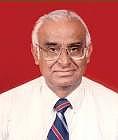
Dr. V.K. Aatre
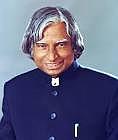
A.P.J. Abdul Kalam
Technical Instrumentation Engineer as a Career
Want to know what technical instrumentation engineering as a career looks like? Watch the below videos explaining the role, daily work, and growth opportunities in a simple way.
Sign Up for the Latest Updates & News
Sign Up for the Latest Updates & News
Please note that the data provided is for informational purposes only and intended to give a general understanding of the career. We recommend consulting career counsellors before making any career decisions.

100+

Professionals are ready to help you!
Confused About Career?
Talk to our Expert
Our team of career counselors consists of seasoned professionals with years of experience and specialized qualifications, dedicated to helping you achieve your career goals with personalized and expert advice.

Personalized Guidance
Comprehensive Career Planning
Expert Advice
Flexible Scheduling
Proven Success
Holistic Approach
invest4Edu is now on iOS & Android !
One Tap, Endless Possibilities