Judge, Supreme Court
Explore career options on our platform! find your
perfect match for your future job.
Overview
A Judge in the Supreme Court is the highest judicial officer in India's legal system. They are responsible for hearing and ruling on cases that come before the Supreme Court, interpreting the constitution and laws, and making rulings that set legal precedents. Judges in the Supreme Court must have a deep understanding of the law, strong analytical skills, and a commitment to justice and fairness.
Key Roles and Responsibilities of a Judge, Supreme Court
Hearing Cases
Listen to arguments, review evidence, and make rulings in legal cases.
Interpreting the Law
Interpret the Constitution and laws of India, and apply them to specific cases.
Writing Opinions
Write detailed opinions that explain the legal reasoning behind their rulings.
Legal Research
Conduct legal research to inform their understanding of complex legal issues.
Setting Precedents
Make rulings that set legal precedents for lower courts to follow.
Maintaining Impartiality
Remain impartial and avoid conflicts of interest.
Upholding Justice
Make decisions that uphold justice and protect the rights of individuals.
Participating in Administrative Duties
Participate in administrative duties of the Supreme Court, such as regulating the practice and procedure of the court.
Continuing Legal Education
Stay updated with new laws, regulations, and legal trends.
Mentoring Junior Judges
Provide mentorship and guidance to junior judges.
Public Speaking
Deliver speeches and lectures on legal topics at public forums and educational institutions.
How to Become A Judge, Supreme Court?
Path 1
1.

12th
Any Stream
2.

UG
LLB (Bachelor of Laws)
3.

PG
LLM (Master of Laws)
4.

Practice
Practice law for a minimum of 10 years as an advocate in High Court or serve as a judge in a High Court for a minimum of 5 years.
Want to become a Judge, Supreme Court
Find out if this role fits with your skills and interests.
What Skills are Required for a Judge, Supreme Court?
Technical Skills
Legal Skills
Soft Skills
Communication Skills
Analytical Skills
Interpersonal Skills
Career Opportunities for a Judge, Supreme Court
Advocate
District Judge
High Court Judge
Chief Justice of High Court
Supreme Court Judge
Chief Justice of India
Judge, Supreme Court Work Profile
Environment
Supreme Court of India New Delhi.
Hours
Standard working hours but additional hours may be required for case preparation.
Interaction
Regular interaction with advocates litigants and other judges.
Travel
Minimal travel mostly for official purposes.
Remote Work
Not applicable.
Job Opportunities
Appointed by the President of India.
Learning Curve
Continuous learning to keep up with new laws and legal trends.
Pros and Cons of Being a Judge, Supreme Court
Strengths
Prestige and respect in society
Significant impact on the legal system
Intellectual stimulation and challenge
Lucrative salary and benefits
Possible Constraints
High pressure
Intense scrutiny
Risk of controversy
Heavy workload
Ready to advance your career in Judge, Supreme Court?
Let our experienced counsellors help you make informed choices for a successful future.
Best Colleges in India for Judge, Supreme Court Course

NALSAR University of Law, Hyderabad
Top Exams for Judge, Supreme Court
Famous Judge, Supreme Court Personalities

Justice H.J. Kania

Justice M.N. Venkatachaliah

Justice R.M. Lodha
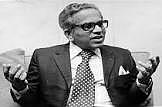
Justice Y.V. Chandrachud
Sign Up for the Latest Updates & News
Please note that the data provided is for informational purposes only and intended to give a general understanding of the career. We recommend consulting career counsellors before making any career decisions.

100+

Professionals are ready to help you!
Confused About Career?
Talk to our Expert
Our team of career counselors consists of seasoned professionals with years of experience and specialized qualifications, dedicated to helping you achieve your career goals with personalized and expert advice.

Personalized Guidance
Comprehensive Career Planning
Expert Advice
Flexible Scheduling
Proven Success
Holistic Approach
invest4Edu is now on iOS & Android !
One Tap, Endless Possibilities