Civil Engineer
Explore career options on our platform! find your
perfect match for your future job.
Overview
Civil engineering is a vocation that focuses on constructing and maintaining infrastructure such as roads, trains, airports, bridges, dams, and irrigation systems. A civil engineer's responsibilities include planning, designing, and managing construction projects. To succeed in this sector, you must have a solid grasp of engineering concepts, materials, environmental science, and project management. Civil engineers carry out a variety of tasks. They are in charge of ensuring that construction projects satisfy safety regulations, are finished on schedule, and stay under budget. They also examine environmental implications and promote sustainable practices. Their responsibilities include assessing locations, creating drawings, organizing personnel and materials, and performing quality control inspections. There are various processes involved in becoming a civil engineer. Initially, one must graduate high school with a solid foundation in mathematics and science. This is followed by completing a bachelor's degree in civil engineering, which usually takes four years. Accredited institutions in India provide comprehensive programs that address both theoretical and practical elements of the area. Master's degrees or certificates can help you get more specialized knowledge. Internships give valuable practical experience and industry exposure. Civil engineering as a vocation provides several options and is critical for social advancement. Civil engineers are in great demand owing to continuous infrastructure development and urbanization, making it a stable and lucrative job. Is civil engineering a good career choice? Absolutely. It not only gives employment stability but also a sense of satisfaction for contributing to important public initiatives. A civil engineer in India might anticipate a prosperous career. With the country's fast expansion, there is an ongoing demand for new infrastructure, resulting in numerous work possibilities. Furthermore, with the increased emphasis on sustainable development, civil engineers are driving creative and ecologically beneficial projects. Can a civil engineer become a software engineer? Yes, many civil engineers become software engineers, particularly in positions that demand an understanding of construction software and project management tools. This crossover is aided by the problem-solving abilities and technical knowledge inherent in civil engineering, making such conversions possible. To summarize, civil engineering is a crucial and dynamic subject with several prospects for growth and improvement.
Key Roles and Responsibilities of a Civil Engineer
Design
Develop detailed structures and infrastructure designs based on specifications.
Project Planning
Coordinate projects by setting timelines, costs, and material requirements.
Site Supervision
Oversee construction sites to ensure safe and accurate work.
Analysis
Conduct structural and environmental impact assessments.
Compliance
Ensure designs meet industry regulations and environmental standards.
Collaboration
Work with diverse teams including architects and contractors.
Reporting
Prepare progress reports and address project issues.
Problem Solving
Resolve complex engineering challenges using scientific principles.
How to Become A Civil Engineer?
Path 1
1.

12th
Science (Maths)
2.

ITI/Diploma
Diploma in Civil Engineering (Specialization: Construction Management, Structural Engineering, Geotechnical Engineering)
3.
UG
B.Tech in Civil Engineering (Specialization: Construction Management, Structural Engineering, Geotechnical Engineering)
4.

PG
M.Tech in Civil Engineering (Specialization: Construction Management, Structural Engineering, Geotechnical Engineering)
Path 2
1.
12th
Science (Maths)
2.
UG
B.E. in Civil Engineering (Specialization: Environmental Engineering, Transportation Engineering, Water Resource Engineering)
3.
PG
M.E. in Civil Engineering (Specialization: Environmental Engineering, Transportation Engineering, Water Resource Engineering)
4.

Certification
Certified Construction Manager (CCM), Certified Safety Professional (CSP), Certified Survey Technician (CST)
Path 3
1.
12th
Science (Maths)
2.
ITI/Diploma
Diploma in Civil Engineering (Specialization: Construction Management, Structural Engineering)
3.
UG
B.Tech in Civil Engineering (Specialization: Construction Management, Structural Engineering)
4.
PG
M.Tech in Civil Engineering (Specialization: Construction Management, Structural Engineering)
Path 4
1.
12th
Science (Maths)
2.
ITI/Diploma
Diploma in Civil Engineering (Specialization: Construction Management, Structural Engineering)
3.
UG
B.Tech in Civil Engineering (Specialization: Construction Management, Structural Engineering)
4.
PG
M.Tech in Civil Engineering (Specialization: Construction Management, Structural Engineering)
Path 5
1.
12th
Science (Maths)
2.
ITI/Diploma
Diploma in Civil Engineering (Specialization: Construction Management, Structural Engineering)
3.
UG
B.Tech in Civil Engineering (Specialization: Construction Management, Structural Engineering)
4.
PG
M.Tech in Civil Engineering (Specialization: Construction Management, Structural Engineering)
Path 6
1.
12th
Science (Maths)
2.
UG
B.Sc in Civil Engineering (Specialization: Urban Planning, Coastal Engineering, Earthquake Engineering)
3.
PG
M.Sc in Civil Engineering (Specialization: Urban Planning, Coastal Engineering, Earthquake Engineering)
4.
Certification
Certified Floodplain Manager (CFM), Certified Professional in Erosion and Sediment Control (CPESC), Certified Hazardous Materials Manager (CHMM)
Path 7
1.
12th
Science (Maths)
2.
UG
B.E. in Civil Engineering (Specialization: Geotechnical Engineering, Transportation Engineering)
3.
PG
M.E. in Civil Engineering (Specialization: Geotechnical Engineering, Transportation Engineering)
4.
Certification
Certified Professional Engineer (PE), Certified Cost Professional (CCP), Primavera P6 Certification
Path 8
1.
12th
Science (Maths)
2.
UG
B.E. in Civil Engineering (Specialization: Geotechnical Engineering, Transportation Engineering)
3.
PG
M.E. in Civil Engineering (Specialization: Geotechnical Engineering, Transportation Engineering)
4.
Certification
Certified Professional Engineer (PE), Certified Cost Professional (CCP), Primavera P6 Certification
Path 9
1.
12th
Science (Maths)
2.
UG
B.E. in Civil Engineering (Specialization: Geotechnical Engineering, Transportation Engineering)
3.
PG
M.E. in Civil Engineering (Specialization: Geotechnical Engineering, Transportation Engineering)
4.
Certification
Certified Professional Engineer (PE), Certified Cost Professional (CCP), Primavera P6 Certification
Path 10
1.
ITI/Diploma
ITI in Civil Engineering
2.
12th
Science (Maths)
3.
UG
B.Tech in Civil Engineering (Specialization: Construction Management, Structural Engineering, Geotechnical Engineering)
4.
PG
M.Tech in Civil Engineering (Specialization: Construction Management, Structural Engineering, Geotechnical Engineering)
Want to become a Civil Engineer
Find out if this role fits with your skills and interests.
What Skills are Required for a Civil Engineer?
Technical Skills
Analytical Skills
Soft Skills
Career Opportunities for a Civil Engineer
Junior Civil Engineer
Civil Engineer
Senior Civil Engineer
Civil Engineering Manager
Director of Engineering
Chief Engineer
Civil Engineer Work Profile
Environment
Office setting, construction sites, and on-site testing facilities.
Hours
Standard office hours with potential overtime for project deadlines.
Interaction
Regular interaction with engineering teams, project managers, and clients.
Travel
Frequent travel for on-site inspections, client meetings, and conferences.
Remote Work
Limited remote work opportunities, mostly project-based.
Job Opportunities
High demand in sectors like construction, transportation, and public works.
Learning Curve
Continuous learning to keep up with technological advancements and industry standards.
Pros and Cons of Being a Civil Engineer
Strengths
Diverse career opportunities
Involvement in community development
High earning potential
Constant learning opportunities
Challenging and rewarding work
Possible Constraints
High pressure
Need for continuous learning
Potential for long hours
Risk of job burnout
Physical demands and hazards
Ready to advance your career in Civil Engineer?
Let our experienced counsellors help you make informed choices for a successful future.
Best Colleges in India for Civil Engineer Course

Indian Institute of Technology (IIT) Bombay,
Indian Institute of Technology (IIT), Delhi
Indian Institute of Technology (IIT), Madras
Birla Institute of Technology and Science (BITS), Pilani
National Institute of Technology (NIT), Trichy
Top Civil Engineer Companies
.png&w=256&q=75)


.png&w=256&q=75)

Famous Civil Engineer Personalities
.png&w=256&q=75)
E. Sreedharan
.png&w=256&q=75)
M. Visvesvaraya

Shakuntala Bhagat
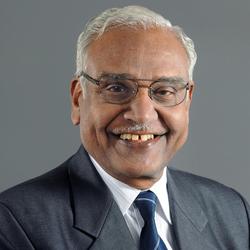
Munirathna Anandakrishnan
Civil Engineer as a Career

Sign Up for the Latest Updates & News
Sign Up for the Latest Updates & News
Please note that the data provided is for informational purposes only and intended to give a general understanding of the career. We recommend consulting career counsellors before making any career decisions.

100+

Professionals are ready to help you!
Confused About Career?
Talk to our Expert
Our team of career counselors consists of seasoned professionals with years of experience and specialized qualifications, dedicated to helping you achieve your career goals with personalized and expert advice.

Personalized Guidance
Comprehensive Career Planning
Expert Advice
Flexible Scheduling
Proven Success
Holistic Approach
invest4Edu is now on iOS & Android !
One Tap, Endless Possibilities