Chemical Engineer
Explore career options on our platform! find your
perfect match for your future job.
Overview
Chemical Engineers apply principles of chemistry, physics, biology, and mathematics to design, develop, and optimise manufacturing processes—ranging from small-scale laboratory experiments to full-scale industrial production. They are responsible for creating safe, cost-effective systems used to produce fuels, pharmaceuticals, food ingredients, polymers, and chemicals, often with a focus on efficiency, sustainability, and regulatory compliance. They work across various stages including research and development, process design, scale-up, and day-to-day operations. Their responsibilities include planning and testing production methods, solving performance issues, and ensuring product quality and safety standards are consistently met. They also design and manage systems for separation, chemical reactions, and purification, run simulations, and analyse process data to boost yields and minimise waste. Chemical Engineers are in demand across a wide range of industries such as pharmaceuticals, petrochemicals, energy, environmental engineering, food and beverage, and advanced materials.
Key Roles and Responsibilities of a Chemical Engineer
Every profession comes with its own unique set of responsibilities that define the role and its value within an organisation. As a chemical engineer, understanding your day-to-day tasks offers clarity on what the job involves and highlights the skills and competencies needed for success. Below are the key roles and responsibilities that contribute to building a strong and rewarding career in this field.
Design
Develop chemical process systems and equipment.
Optimization
Improve industrial processes to maximize product yield while ensuring compliance with safety and environmental regulations.
Testing
Conduct tests and monitor performance of processes throughout production.
Safety
Evaluate equipment and processes to ensure compliance with safety and environmental regulations.
Project Management
Oversee chemical engineering projects, ensuring they are completed on time and within budget.
Research
Perform research to develop new and improved manufacturing processes.
How to Become A Chemical Engineer?
Becoming a chemical engineer involves a mix of the right educational qualifications, mastering chemical engineering tools, and gaining practical experience in the field.
This is where invest4Edu comes in. With expert career counselling and personalised guidance, we at invest4Edu support your career journey every step of the way. From guiding you to select the right education path to acquiring the required skills, we ensure you are well-prepared to pursue and succeed in your dream career. Here's a detailed roadmap to becoming a successful chemical engineer:
Path 1
1.

12th
Science (Chemistry)
2.

UG
B.Tech in Chemical Engineering (Specialization: Process Engineering, Biochemical Engineering, Polymer Engineering)
3.

PG
M.Tech in Chemical Engineering (Specialization: Process Engineering, Biochemical Engineering, Polymer Engineering)
4.

Certification
Certified Chemical Engineer (CCE), Professional Process Safety Engineer, Six Sigma Green Belt
Path 2
1.
12th
Science (Chemistry)
2.
UG
B.Sc in Chemical Engineering (Specialization: Petrochemical Engineering, Environmental Engineering, Material Science)
3.
PG
M.Sc in Chemical Engineering (Specialization: Petrochemical Engineering, Environmental Engineering, Material Science)
4.
Certification
Certified Environmental Professional (CEP), Certified Petroleum Professional (CPP), Certified Quality Engineer (CQE)
Path 3
1.
12th
Science (Chemistry, Physics, Maths)
2.
UG
B.Tech in Chemical Engineering (Specialization: Process Engineering, Biochemical Engineering)
3.
PG
M.Tech in Chemical Engineering (Specialization: Process Engineering, Biochemical Engineering)
4.
Certification
Certified Professional Chemical Engineer, Six Sigma Certification
Path 4
1.
12th
Science (Chemistry, Physics, Maths)
2.
UG
B.Tech in Chemical Engineering (Specialization: Process Engineering, Biochemical Engineering)
3.
PG
M.Tech in Chemical Engineering (Specialization: Process Engineering, Biochemical Engineering)
4.
Certification
Certified Professional Chemical Engineer, Six Sigma Certification
Path 5
1.
12th
Science (Chemistry, Physics, Maths)
2.
UG
B.Tech in Chemical Engineering (Specialization: Process Engineering, Biochemical Engineering)
3.
PG
M.Tech in Chemical Engineering (Specialization: Process Engineering, Biochemical Engineering)
4.
Certification
Certified Professional Chemical Engineer, Six Sigma Certification
Path 6
1.
12th
Science (Chemistry)
2.
UG
B.E. in Chemical Engineering (Specialization: Pharmaceutical Engineering, Food Processing, Nanotechnology)
3.
PG
M.E. in Chemical Engineering (Specialization: Pharmaceutical Engineering, Food Processing, Nanotechnology)
4.
Certification
Certified Pharmaceutical GMP Professional, Certified Food Scientist, Certified Nanotechnology Engineer (CNE)
Path 7
1.
12th
Science (Chemistry, Physics, Maths)
2.
UG
B.Sc in Chemical Engineering (Specialization: Environmental Engineering, Polymer Science)
3.
PG
M.Sc in Chemical Engineering (Specialization: Environmental Engineering, Polymer Science)
4.
Certification
Certified Environmental Engineer, Certified Polymer Science Professional
Path 8
1.
12th
Science (Chemistry, Physics, Maths)
2.
UG
B.Sc in Chemical Engineering (Specialization: Environmental Engineering, Polymer Science)
3.
PG
M.Sc in Chemical Engineering (Specialization: Environmental Engineering, Polymer Science)
4.
Certification
Certified Environmental Engineer, Certified Polymer Science Professional
Path 9
1.
12th
Science (Chemistry, Physics, Maths)
2.
UG
B.Sc in Chemical Engineering (Specialization: Environmental Engineering, Polymer Science)
3.
PG
M.Sc in Chemical Engineering (Specialization: Environmental Engineering, Polymer Science)
4.
Certification
Certified Environmental Engineer, Certified Polymer Science Professional
Path 10
1.
ITI/Diploma
ITI in Chemical Engineering
2.
12th
Science (Chemistry)
3.
UG
B.Tech in Chemical Engineering (Specialization: Process Engineering, Biochemical Engineering, Polymer Engineering)
4.
PG
M.Tech in Chemical Engineering (Specialization: Process Engineering, Biochemical Engineering, Polymer Engineering)
Want to become a Chemical Engineer
Find out if this role fits with your skills and interests.
What Skills are Required for a Chemical Engineer?
A successful chemical engineer needs a combination of technical, analytical, and interpersonal skills. Some of the essential abilities in chemical engineering include strong communication, problem-solving, and more.
Technical Skills
Analytical Skills
Soft Skills
Career Opportunities for a Chemical Engineer
A career in chemical engineering can follow various career paths, including specialised roles and even entrepreneurial ventures. Here’s a brief overview of an ideal career path for a chemical engineer:
Junior Chemical Engineer
Chemical Engineer
Senior Chemical Engineer
Chemical Engineering Manager
Director of Engineering
Chief Technology Officer (CTO)
Chemical Engineer Work Profile
A chemical engineer works in a professional environment, coordinating with teams to design, develop, and optimise processes in industries such as pharmaceuticals, petrochemicals, food, and energy:
Environment
Office setting, laboratories, and industrial plants.
Hours
Standard office hours with potential overtime for project deadlines.
Interaction
Regular interaction with engineering teams, project managers, and clients.
Travel
Occasional travel for on-site inspections, client meetings, and conferences.
Remote Work
Limited remote work opportunities, mostly project-based.
Job Opportunities
High demand in sectors like oil and gas, pharmaceuticals, energy, and manufacturing.
Learning Curve
Continuous learning to keep up with technological advancements and industry standards.
Pros and Cons of Being a Chemical Engineer
Chemical engineering as a career is rewarding, offering intellectual challenges and impactful opportunities. However, it comes with its own set of expectations and pressure. Here's a quick look at the role's strengths and limitations.
Strengths
Diverse career opportunities
Involvement in product creation
High earning potential
Constant learning opportunities
Challenging and rewarding work
Possible Constraints
High pressure
Need for continuous learning
Potential for long hours
Risk of job burnout
Physical demands and hazards
Ready to advance your career in Chemical Engineer?
Let our experienced counsellors help you make informed choices for a successful future.
Best Colleges in India for Chemical Engineer Course
Choosing the right college plays a key role in starting a successful chemical engineering career. Here are some of the top institutions in India offering quality courses in this field.

Indian Institute of Technology (IIT) Bombay,
Indian Institute of Technology (IIT), Delhi
Indian Institute of Technology (IIT), Madras
Birla Institute of Technology and Science (BITS), Pilani
National Institute of Technology (NIT), Trichy
Top Chemical Engineer Companies
The right company can make a big difference in your career journey. Below are some of the best companies for chemical engineering roles that offer good experience and growth.


Famous Chemical Engineer Personalities
There are many famous personalities in chemical engineering who made careers in industries successful with their skills, and below are a few:
.png%0D%0A&w=256&q=75)
Man Mohan Sharma
.png%0D%0A&w=256&q=75)
G. D. Yadav
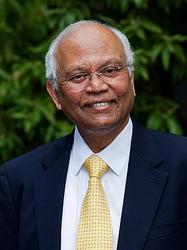
Raghunath Anant Mashelkar

Keki Hormusji Gharda
Chemical Engineer as a Career
Want to know what chemical engineering as a career looks like? Watch the below videos explaining the role, daily work, and growth opportunities in a simple way.

Sign Up for the Latest Updates & News
Sign Up for the Latest Updates & News
Please note that the data provided is for informational purposes only and intended to give a general understanding of the career. We recommend consulting career counsellors before making any career decisions.

100+

Professionals are ready to help you!
Confused About Career?
Talk to our Expert
Our team of career counselors consists of seasoned professionals with years of experience and specialized qualifications, dedicated to helping you achieve your career goals with personalized and expert advice.

Personalized Guidance
Comprehensive Career Planning
Expert Advice
Flexible Scheduling
Proven Success
Holistic Approach
invest4Edu is now on iOS & Android !
One Tap, Endless Possibilities