Biomedical Engineer
Explore career options on our platform! find your
perfect match for your future job.
Overview
Biomedical Engineers apply engineering and biological principles to develop medical technologies that improve patient care. They design devices such as prosthetics, diagnostic tools, and surgical systems used in hospitals and clinics. This role requires knowledge in areas like electronics, biomechanics, and data analysis. Professionals often work with doctors, researchers, and manufacturers to ensure products are safe, effective, and meet medical needs. A degree in biomedical engineering or a related field is typically required. With the rise of healthcare innovation, Biomedical Engineers are in demand across medical technology firms, research labs, and clinical environments, offering a meaningful and evolving career path.
Key Roles and Responsibilities of a Biomedical Engineer
Every profession comes with its own unique set of responsibilities that define the role and its value within an organisation. As a biomedical engineer, understanding your day-to-day tasks offers clarity on what the job involves and highlights the skills and competencies needed for success. Below are the key roles and responsibilities that contribute to building a strong and rewarding career in this field.
Design
Develop biomedical equipment and devices according to healthcare needs.
Testing
Conduct tests to validate the functionality and safety of biomedical equipment.
Maintenance
Perform routine checks and maintenance on biomedical equipment to ensure proper functionality.
Training
Provide training and support to healthcare staff on the use of biomedical equipment.
Research
Conduct research to innovate and enhance biomedical technology.
Compliance
Ensure all biomedical equipment meets regulatory and safety standards.
Documentation
Document processes related to design, testing, and maintenance of biomedical equipment.
Collaboration
Work closely with healthcare professionals to understand their needs and deliver effective solutions.
How to Become A Biomedical Engineer?
Becoming a biomedical engineer involves a mix of the right educational qualifications, mastering biomedical engineering tools, and gaining practical experience in biomedical technology and healthcare solutions.
This is where invest4Edu comes in. With expert career counselling and personalised guidance, we at invest4Edu support your career journey in every step. From guiding you to select the right education path to acquire the required skills, we ensure you are well-prepared to pursue and succeed in your dream career. Here's a detailed roadmap to becoming a successful biomedical engineer:
Path 1
1.

12th
Science (Biology, Physics, Chemistry)
2.

UG
B.Tech in Biomedical Engineering (Specialization: Biomechanics, Bioinstrumentation, Biomaterials)
3.

PG
M.Tech in Biomedical Engineering (Specialization: Biomechanics, Bioinstrumentation, Biomaterials)
4.

Certification
Certified Clinical Engineer (CCE), Certified Biomedical Auditor (CBA), Certified Medical Device Compliance Professional (CMDCP)
Path 2
1.
12th
Science (Biology, Physics, Chemistry)
2.
UG
B.E. in Biomedical Engineering (Specialization: Medical Imaging, Neural Engineering, Rehabilitation Engineering)
3.
PG
M.E. in Biomedical Engineering (Specialization: Medical Imaging, Neural Engineering, Rehabilitation Engineering)
4.
Certification
Certified Biomedical Equipment Technician (CBET), Certified Laboratory Equipment Specialist (CLES), Certified Radiology Equipment Specialist (CRES)
Path 3
1.
12th
Science (Biology, Maths)
2.
UG
B.Tech in Biomedical Engineering (Specialization: Bioinstrumentation, Biomaterials, Biomechanics)
3.
PG
M.Tech in Biomedical Engineering (Specialization: Bioinstrumentation, Biomaterials, Biomechanics)
4.
Certification
Certified Biomedical Auditor (CBA), Certified Medical Device Compliance Professional (CMDCP), Certified Biomechanics Specialist (CBS)
Path 4
1.
12th
Science (Biology, Maths)
2.
UG
B.Tech in Biomedical Engineering (Specialization: Bioinstrumentation, Biomaterials, Biomechanics)
3.
PG
M.Tech in Biomedical Engineering (Specialization: Bioinstrumentation, Biomaterials, Biomechanics)
4.
Certification
Certified Biomedical Auditor (CBA), Certified Medical Device Compliance Professional (CMDCP), Certified Biomechanics Specialist (CBS)
Path 5
1.
12th
Science (Biology, Maths)
2.
UG
B.Tech in Biomedical Engineering (Specialization: Bioinstrumentation, Biomaterials, Biomechanics)
3.
PG
M.Tech in Biomedical Engineering (Specialization: Bioinstrumentation, Biomaterials, Biomechanics)
4.
Certification
Certified Biomedical Auditor (CBA), Certified Medical Device Compliance Professional (CMDCP), Certified Biomechanics Specialist (CBS)
Path 6
1.
12th
Science (Biology, Physics, Chemistry)
2.
UG
B.Sc in Biomedical Engineering (Specialization: Tissue Engineering, Genetic Engineering, Clinical Engineering)
3.
PG
M.Sc in Biomedical Engineering (Specialization: Tissue Engineering, Genetic Engineering, Clinical Engineering)
4.
Certification
Certified Biomedical Professional (CBP), Certified Biomedical Engineer (CBE), Certified Biomedical Equipment Technician (CBET)
Path 7
1.
12th
Science (Biology, Maths)
2.
UG
B.Sc in Biomedical Engineering (Specialization: Medical Imaging, Rehabilitation Engineering, Tissue Engineering)
3.
PG
M.Sc in Biomedical Engineering (Specialization: Medical Imaging, Rehabilitation Engineering, Tissue Engineering)
4.
Certification
Certified Medical Imaging Professional (CMIP), Certified Rehabilitation Engineer (CRE), Certified Tissue Engineering Professional (CTEP)
Path 8
1.
12th
Science (Biology, Maths)
2.
UG
B.Sc in Biomedical Engineering (Specialization: Medical Imaging, Rehabilitation Engineering, Tissue Engineering)
3.
PG
M.Sc in Biomedical Engineering (Specialization: Medical Imaging, Rehabilitation Engineering, Tissue Engineering)
4.
Certification
Certified Medical Imaging Professional (CMIP), Certified Rehabilitation Engineer (CRE), Certified Tissue Engineering Professional (CTEP)
Path 9
1.
12th
Science (Biology, Maths)
2.
UG
B.Sc in Biomedical Engineering (Specialization: Medical Imaging, Rehabilitation Engineering, Tissue Engineering)
3.
PG
M.Sc in Biomedical Engineering (Specialization: Medical Imaging, Rehabilitation Engineering, Tissue Engineering)
4.
Certification
Certified Medical Imaging Professional (CMIP), Certified Rehabilitation Engineer (CRE), Certified Tissue Engineering Professional (CTEP)
Path 10
1.
ITI/Diploma
ITI in Biomedical Equipment Technician
2.
12th
Science (Biology, Physics, Chemistry)
3.
UG
B.Tech in Biomedical Engineering (Specialization: Biomechanics, Bioinstrumentation, Biomaterials)
4.
PG
M.Tech in Biomedical Engineering (Specialization: Biomechanics, Bioinstrumentation, Biomaterials)
Want to become a Biomedical Engineer
Find out if this role fits with your skills and interests.
What Skills are Required for a Biomedical Engineer?
A successful biomedical engineer needs a combination of technical, analytical and interpersonal skills. Some of the essential abilities in biomedical engineering include strong communication, problem-solving, and a good understanding of biological systems and engineering principles.
Technical Skills
Analytical Skills
Soft Skills
Career Opportunities for a Biomedical Engineer
A career in biomedical engineering can follow various career paths, including specialised roles and even entrepreneurial ventures. Here’s a brief overview of an ideal career path for a biomedical engineer:
Junior Engineer
Biomedical Engineer
Senior Biomedical Engineer
Team Lead
Project Manager
Director of Engineering
Chief Technology Officer (CTO)
Biomedical Engineer Work Profile
A biomedical engineer works in a professional environment, coordinating with medical teams, researchers, and engineers to enhance healthcare technologies and patient outcomes:
Environment
Primarily office settings, laboratories, and healthcare facilities.
Hours
Standard office hours, with occasional overtime based on project deadlines.
Interaction
Regular interaction with healthcare professionals, engineers, and technicians.
Travel
Minimal travel required, primarily for training or conferences.
Remote Work
Limited opportunities for remote work.
Job Opportunities
High demand in healthcare, pharmaceutical, and medical device industries.
Learning Curve
Continuous learning necessary to stay updated with evolving technologies and industry trends.
Pros and Cons of Being a Biomedical Engineer
Biomedical engineering as a career is rewarding, offering intellectual challenges and impactful opportunities. However, it comes with its own set of expectations and pressure. Here's a quick look at the role's strengths and limitations.
Strengths
High demand for skills
Opportunities for innovation
Significant career growth
Contribution to healthcare improvement
Possible Constraints
High pressure
Need for continuous learning
Potential for long hours
Risk of job burnout
Ready to advance your career in Biomedical Engineer?
Let our experienced counsellors help you make informed choices for a successful future.
Best Colleges in India for Biomedical Engineer Course
Choosing the right college plays a key role in starting a successful biomedical engineering career. Here are some of the top institutions in India offering quality courses in this field.

Indian Institute of Technology (IIT) Bombay,
Indian Institute of Technology (IIT), Delhi
Indian Institute of Technology (IIT), Madras
Vellore Institute of Technology (VIT), Vellore
National Institute of Technology (NIT), Rourkela
Top Biomedical Engineer Companies
The right company can make a big difference in your career journey. Below are some of the best companies for biomedical engineering roles that offer good experience and growth.


Famous Biomedical Engineer Personalities
There are many famous personalities in biomedical engineering who made careers in industries successful with their skills and innovations. Below are a few:

Rohit Srivastava

Dr. Balram Bhargava
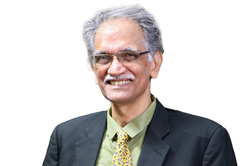
Dr. Shantikumar Nair

Dr. Tapan Kumar Gandhi
Biomedical Engineer as a Career
Want to know what biomedical engineering as a career looks like? Watch the below videos explaining the role, daily work, and growth opportunities in a simple way.

Sign Up for the Latest Updates & News
Sign Up for the Latest Updates & News
Please note that the data provided is for informational purposes only and intended to give a general understanding of the career. We recommend consulting career counsellors before making any career decisions.

100+

Professionals are ready to help you!
Confused About Career?
Talk to our Expert
Our team of career counselors consists of seasoned professionals with years of experience and specialized qualifications, dedicated to helping you achieve your career goals with personalized and expert advice.

Personalized Guidance
Comprehensive Career Planning
Expert Advice
Flexible Scheduling
Proven Success
Holistic Approach
invest4Edu is now on iOS & Android !
One Tap, Endless Possibilities