




Oncology Careers in India: Courses, Eligibility & Pathways Beyond MBBS
When someone in the family receives a cancer diagnosis, life quickly becomes overwhelming with regular hospital visits, specialist appointments, complex medical decisions. In those first uncertain days, having someone sit down, explain things with patience, and map out a calm, step-by-step path forward makes all the difference. That is the daily reality for an oncologist. But modern cancer care is never a one-person show, it relies on a tightly knit network of surgeons, radiologists, nurses, medical physicists, and counsellors working side by side.
Every year on November 7, India marks National Cancer Awareness Day to honour Nobel laureate Marie Curie, whose discovery of radium paved the way for modern radiation therapy. It is a day to recognize these healthcare teams and inspire the students preparing to step into their shoes.
If you are considering a career in oncology, what courses do you need to become an oncologist? Can you build a rewarding career in cancer care without an MBBS? Let’s explore.
The Growing Need for Cancer Care in India
According to data from the WHO's Global Status Report on Cancer, and expert analysis from the Observer Research Foundation (ORF), there is a lot of important information to note. Every year around 1.56 million new cases of cancer is seen in India alone, and over 900,000 deaths. Over the next few decades due to an ageing population there will be an increased requirement for structured cancer care and skilled medical professionals.
What is an oncologist, and is a cancer specialist the same?
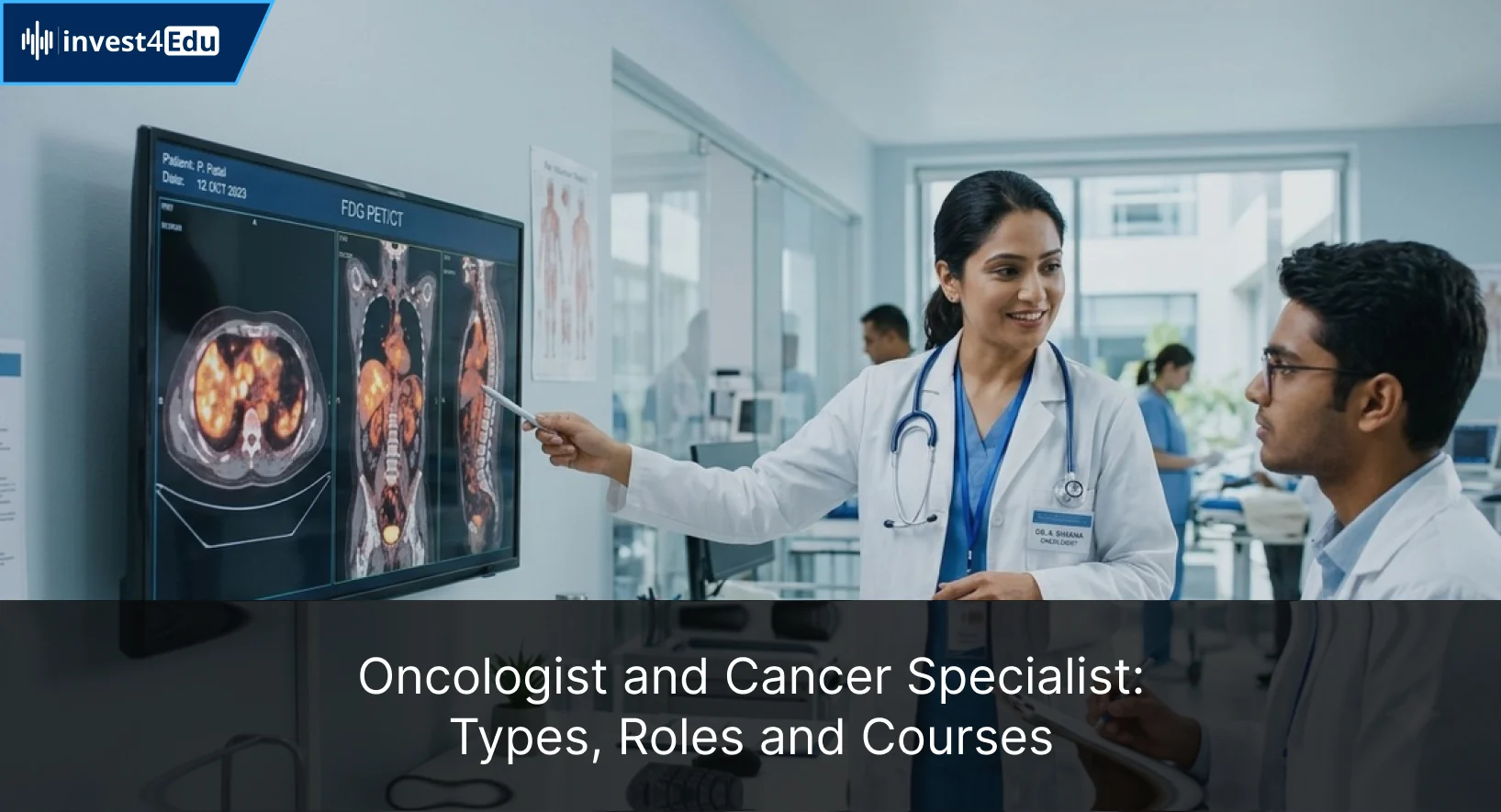
Yes. We often use the terms "cancer specialist" and "oncologist" interchangeably. An oncologist is a medical doctor who has specialised knowledge in diagnosing, treating, and managing cancer. The term comes from the Greek word onkos, meaning mass or tumour.Depending on their specific line of treatment, doctors are categorised as medical, surgical, or radiation oncologists.
The Multidisciplinary Tumour Board
An oncologist rarely works in isolation. Most major hospitals utilise a Multidisciplinary Tumour Board where specialists meet to review patient scans, establish exact staging, and design comprehensive care plans:
- Pathologists: Examine biopsy tissues to confirm cancer cell types.
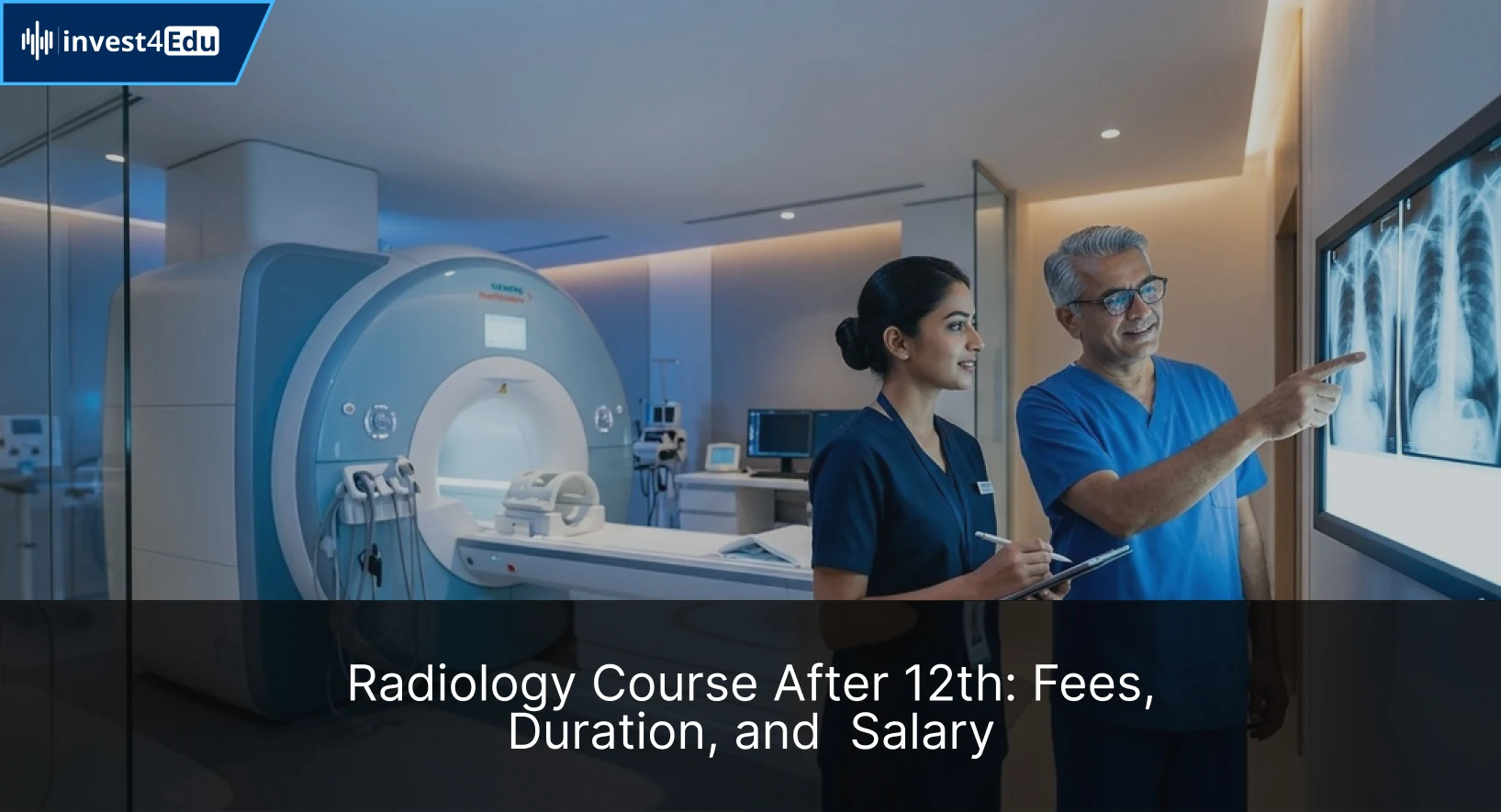
- Radiologists: Analyse CT, MRI, and PET scans to pinpoint tumour location and spread.
- Palliative Care Doctors: Focus on symptom management, pain relief, and holistic comfort throughout the patient's treatment journey.
What are the types of oncologists?
Oncology branches into distinct specialities based on the primary treatment method. Recognised medical degrees in India are regulated by the National Medical Commission (NMC) and the National Board of Examinations in Medical Sciences (NBEMS).
Specialisation | Primary Clinical Role | Statutory Training Route in India | Entrance Exam Checkpoints |
| Medical Oncologist | Treats cancers using systemic therapies (chemotherapy, targeted therapy, immunotherapy, and hormone therapy). | MBBS →MD/DNB (General Medicine, Paediatrics, or Radiation Oncology) →DM / DrNB Medical Oncology | 1. Pass NEET-UG to enter MBBS.
2. Pass NEET-PG to enter MD/DNB.
3. Pass NEET-SS to enter DM/DrNB. |
| Surgical Oncologist | Performs surgical procedures to excise tumours, remove affected tissues, and conduct diagnostic biopsies. | MBBS → MS/DNB (General Surgery) → MCh / DrNB Surgical Oncology | 1. Pass NEET-UG.
2. Pass NEET-PG.
3. Pass NEET-SS (Surgical Group). |
| Radiation Oncologist | Designs, plans, and delivers high-energy radiation treatments (external beam radiation, brachytherapy). | MBBS→ MD / DNB (Radiation Oncology / Radiotherapy)
(Direct entry post-MBBS) | 1. Pass NEET-UG.
2. Pass NEET-PG(No NEET-SS needed to become a specialist). |
| Paediatric Oncologist | Specialises in treating cancers in infants, children, and adolescents. | MBBS→ MD/DNB (Paediatrics) → DM / DrNB (Paediatric Oncology or Clinical Haematology) | 1. Pass NEET-UG.
2. Pass NEET-PG.
3. Pass NEET-SS (Paediatric Group). |
| Haemato-Oncologist | Specialises in blood cancers, bone marrow disorders, and blood-forming organ diseases (leukaemia, lymphoma, myeloma). | MBBS→ MD/DNB (General Medicine, Paediatrics, or Pathology) → DM / DrNB Clinical Haematology | 1. Pass NEET-UG.
2. Pass NEET-PG.
3. Pass NEET-SS (Medical/Paediatric/Pathology Group). |
| Gynaecologic Oncologist | Specialises in diagnosing and surgically/medically managing cancers of the female reproductive system (cervical, ovarian, uterine). | MBBS→ MD/MS/DNB (Obstetrics & Gynaecology) → MCh / DrNB Gynaecologic Oncology | 1. Pass NEET-UG.
2. Pass NEET-PG.
3. Pass NEET-SS (OB-GYN Group). |
Note : Other sub-specialties, such as head and neck oncology and neuro-oncology, are also available at some institutions.
What qualifications do you need to become an oncologist in India?
You need MBBS, a postgraduate degree and, for most specialities, a super-speciality degree. Each stage is entered through a national exam: NEET UG for MBBS, NEET PG for MD/MS/DNB, and NEET SS (or the institution’s own process, where applicable) for
DM/MCh.
Stage | What you do | Entry | Typical duration |
Class 12 | Study Physics, Chemistry, Biology and English, and meet NMC eligibility (minimum marks apply) | Board exams | 2 years |
MBBS | Medical degree with a compulsory rotating internship | NEET UG | 4.5 years plus 1 year internship |
Postgraduate | MD, MS or DNB in the parent specialty (or Radiotherapy for radiation oncology) | NEET PG | 3 years |
Super-speciality | DM or MCh in the oncology specialty | NEET SS or institutional process | 3 years |
Practice and fellowships | Clinical work, research, optional fellowships | Experience | Ongoing |
How Long Does It Take to Become an Oncologist?
Building a career as a cancer specialist in India takes 8.5 to 11.5 years of formal study post-Class 12, depending on the path you choose:
- Radiation Oncology Route (~8.5 Years):
- 5.5 years (MBBS) + 3 years (MD/DNB Radiation Oncology). Because Radiation Oncology is a direct post-graduate specialisation, you become a fully qualified specialist right after MD.
- Medical, Surgical, Paediatric & Gynaecologic Routes (~11.5 Years):
- 5.5 years (MBBS) + 3 years (MD/MS residency) + 3 years (DM/MCh super-specialty via NEET-SS).
Real-World Timeline: In practice, most doctors take 12 to 14 years. This accounts for 1–2 years spent preparing for competitive entrance exams (NEET-PG, NEET-SS), completing mandatory Senior Residency, or doing advanced clinical fellowships.
Which oncology courses are available in India?
The recognised courses are postgraduate and super-speciality medical degrees. Shorter fellowship and certificate programmes also exist, but they are add-ons for people who are already qualified.
Course | Who can join | Duration | Leads to |
MD Radiotherapy / | MBBS graduates (NEET PG) | 3 years | Radiation oncologist |
DNB Radiotherapy | MBBS graduates (NBEMS route) | 3 years | Radiation oncologist |
DM Medical Oncology | MD graduates in an eligible specialty | 3 years | Medical oncologist |
MCh Surgical Oncology | MS General Surgery graduates | 3 years | Surgical oncologist |
DM / fellowship in Paediatric Oncology | MD Paediatrics graduates | Varies | Paediatric oncologist |
MCh Gynaecologic Oncology | MS/MD Obstetrics and Gynaecology graduates | 3 years | Gynaecologic oncologist |
Fellowships and certificate courses | Usually qualified doctors or allied professionals | Varies | Extra skills; not a substitute for a recognised degree |
A common confusion: Course pages advertising “oncology courses after 12th” often describe certificates or fellowships. Before you pay for any programme, check that the qualification is recognised by the NMC, NBEMS or the relevant regulatory bodies.
Can you become an oncologist without MBBS or NEET?
No. To practice as a licensed oncologist (doctor) in India, you must hold an MBBS degree (gained through NEET-UG) followed by postgraduate medical training via NEET-PG and NEET-SS.
However, modern cancer care is an interdisciplinary team effort. If you choose not to pursue an MBBS, there are several vital, high-impact non-doctor professions in oncology that do not require a medical degree.
What cancer-care careers exist beyond MBBS?
If your passion lies in healthcare, science, technology, or counselling, these accredited allied pathways allow you to play a central role in patient care:
| Profession | Core Responsibilities | Typical Education Pathway | Statutory / Standard Body |
| Oncology Nurse | Administers chemotherapy drugs, manages treatment side effects, and delivers bedside patient care. | B.Sc Nursing (4 yrs) → Post-Basic Diploma in Oncology Nursing or M.Sc Nursing (Oncology). | Indian Nursing Council (INC) |
| Radiotherapy Technologist | Operates linear accelerators and advanced radiation equipment to safely deliver treatment doses. | B.Sc in Radiotherapy Technology (3–4 yrs) or Diploma in Radiotherapy Technology (DRT). | State Allied Health Councils |
| Medical Physicist | Calculates precise radiation doses, models treatment plans, and oversees radiation safety protocols. | B.Sc Physics → M.Sc Medical/Radiological Physics + 1-year internship to gain RSO certification. | Atomic Energy Regulatory Board (AERB) |
| Nuclear Medicine Technologist | Administers radio pharmaceuticals and conducts PET-CT and SPECT imaging for cancer staging. | B.Sc in Nuclear Medicine Technology or Allied Health Science degree. | AERB / University Standards |
| Oncology Pharmacist | Mixes and verifies complex chemotherapy protocols and advises medical teams on drug safety. | B.Pharm or Pharm.D→ Hospital residency / specialised clinical experience. | Pharmacy Council of India (PCI) |
| Clinical Research Coordinator | Coordinates clinical trial protocols, evaluates new cancer drugs, and monitors patient safety data. | B.Sc/M.Sc in Life Sciences, Biotechnology, or Pharm.D + Post-Graduate Clinical Research Diploma. | Central Drugs Standard Control Organization (CDSCO) |
| Genetic Counsellor | Analyses family cancer histories, orders hereditary gene testing, and guides families through genetic risks. | B.Sc in Life Sciences/Genetics → M.Sc in Genetic Counselling. | Board of Genetic Counselling India |
| Psycho-Oncology Counsellor | Provides psychological therapy and emotional support to help patients and families navigate diagnosis. | B.A./B.Sc Psychology→ M.A./M.Sc in Clinical Psychology or PGD in Psycho-Oncology. | Rehabilitation Council of India (RCI) |
Note : Course names, eligibility and recognition vary by university and regulator. Check the Indian Nursing Council, AERB and the university’s official notices before applying.
What skills does a career in cancer care need?
Cancer care rewards a mix of science and human skill. These matter at every level, from the doctor to the technologist.
- Scientific thinking: weighing evidence and following fast-changing research
- Communication: explaining difficult information clearly and kindly
- Emotional resilience: supporting people through serious illness without losing your own balance
- Teamwork: cancer treatment involves many professionals working together
- Lifelong learning: treatments and guidelines keep changing
An honest look at the challenges: Training is long. Seats in super-speciality programmes are limited and competitive. The work can be emotionally heavy, including having to share hard news with families. Many professionals manage this through mentors, peer support and counselling. Think about whether you can see yourself in this environment before you commit.
Explore 500+ Healthcare Careers: Search required degrees, skills, and industry insights on the invest4Edu Career Library.
What is the career scope and salary?
Cancer specialists and allied professionals work in government and private hospitals, dedicated cancer centres such as Tata Memorial Centre and AIIMS, research institutes, universities and public health programmes. Demand is driven by the size of the burden: ICMR -NINE (earlier called as ICMR–NCDIR) estimates indicate that about 1 in 9 people in India may develop cancer in their lifetime.
On salary: Pay varies widely by speciality, city, government versus private employment and experience, and reliable published averages are limited. Check current government pay scales and recruitment notices from the institutions you are interested in, and treat averages from job websites with caution.
How do you choose your path?
Start from what you enjoy, then work back to the course.
- You like procedures and anatomy: surgical oncology (MS, then MCh)
- You like precision, technology and physics: radiation oncology, radiotherapy technology or medical physics
- You like long-term patient relationships and new drugs: medical oncology
- You want to work with children: paediatric oncology
- You are drawn to lab work and discovery: research, genetics or clinical research
- You want to support patients and families directly: oncology nursing, counselling or dietetics
Carrying the Torch Forward
National Cancer Awareness Day reminds us that behind every statistic is a human story and behind every recovery is a team of healthcare professionals who chose to dedicate their lives to cancer care. Whether you pursue medicine via MBBS to become an oncologist or choose a path in radiotherapy technology, medical physics, or oncology nursing, every role is essential to delivering compassionate, life-saving care.
Ready to map out your career in healthcare?
Connect with expert advisors at invest4Edu Career Counselling to build your personalised academic roadmap today.